Think about your favourite TV show. How long does the title sequence last? Is there a song or piece of music that accompaies it? Does the cast appear? Or even their names? Streaming has many pros and cons, but one con that doesn’t seem to be discussed much is the loss of the title sequence. Films seem to have almost abandoned them entirely, with a few exceptions like the Bond films. But many tv shows seem to be using them less and less. Some shows just have a simple title card, or don’t have one at all
Perhaps the additon of the “skip intro” button was the first warning sign. And, in it’s defence, when binging a show, the “previously on…” isn’t really required. Also, some of them are long. The intro to Twin Peaks, is over 2 and a half minutes long, although the full version doesn’t play every episode. Some title sequences get extended or shortened slightly depending on the length of the episode (back when shows had to fill a set timeslot).
“Long ago, the four nations lived in harmony…”
The best title sequences aren’t just an excuse for the people who made the show to get their dues (which they should); they also tell a story. They set the tone for the show. Evoking imagery that is relevant to the show or introduce the characters. The Simpsons has one of the most iconic title sequences ever. It introduces the family, gives us a little snippet of their character, features many supporting cast members, as well as jokes and a tour of Springfield. Batman: The Animated Series is almost a short episode in itself, setting the mood perfectly.
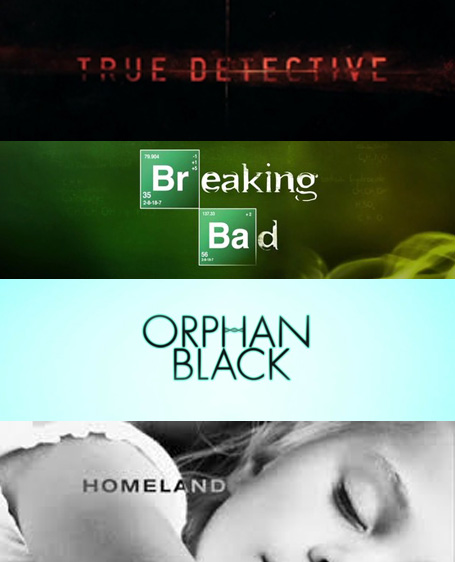
Many shows that are labelled as “prestige TV” or that are aiming for the title have abstract sequences. Usually with some thematic connection to the show. Shows like True Detective, The Walking Dead or Narcos all owe a debt to Six Feet Under. Some more modern shows have expanded this, with full animated intros. Game of Thrones, pioneered this, with His Dark Materials and Westworld being other examples. These intros all change as the show goes on, to reflect new characters, places or events. Doctor Who changes its intro when a new actor takes the title role, and The Simpsons often parodies other intros.
“Alright 3…2…1… let’s jam!”
Some shows go for a song that becomes inseparable from the show. Friends shows the gang having fun, while the song speaks about the troubles of being young and how your friends will be there for you. Cheers goes for one about the bar it’s set in. Some episodic but high-concept shows use the intro to explain the premise of the show, such as The Bionic Woman or Star Trek. Another iconic title sequence, that of The Fresh Prince of Bel-Air, combines both of these.
Anime regularly changes their openings, usually anything between 12 to 20 episodes. Often relating to a new story arc, or featuring new characters that have been, or are soon to be introduced. They usually feature a new song, with different openings and end credits. While many of these feature Japanese artists (for obvious reasons), many openings have become firm favourites around the world, like the original Pokémon opening.
A good title sequence will perfectly set the mood for the show you’re watching. Not all of them just show the cast, with some telling stories of their own. Nearly all of them will have a piece of music you associate with the show forever and may even have clues about what is coming up.