Hollywood favours franchise movies over original ideas. After all, people are often more willing to go to see something they are already familiar with. However, 2025 was a bad year for franchise films.
Today, we are going to look at how the reception for the highest-performing IP-led titles stack up against original films. We will also analyse the potential response from Hollywood studios and what audiences should look out for.
Franchise Upset
For the purposes of this analysis, I looked at the 50 highest-grossing films of 2025 according to Box Office Mojo. Of the American-produced projects, 27 of them were sequels, spinoffs, reboots or remakes of branded projects. A further 6 were adaptations of books or games. Plus, F1 traded on the brand name for attention.
Across all these franchise and adapted projects, only 11 have a rating of 7 stars or higher on IMDb (meaning more raters view it more positively than average).
Although these ratings are not an objective measure of quality (these ratings are vulnerable to abuse) and other review sites like Rotten Tomatoes provide differing perspectives on many of these films, the volume of the ratings from across a vast range of projects from IMDb provides a good broad look into general audience attitudes towards these films. These ratings show that these films are seen as fine but nothing special. Of course, not every film needs to be a 10/10 artful statement about the human condition. That said, when there is such a large amount of franchise releases, with so much money behind them, and only a few of them can muster higher than 7/10, it does not necessarily bode well for future engagement.
There were also some noticeable dips in the takings of established franchises. For example, Mission: Impossible – The Final Reckoning, Wicked: For Good, and all of Marvel’s 2025 offerings took significantly less than prior series entries. Showing that brand names are not always infallible.
Smaller Names Doing Well
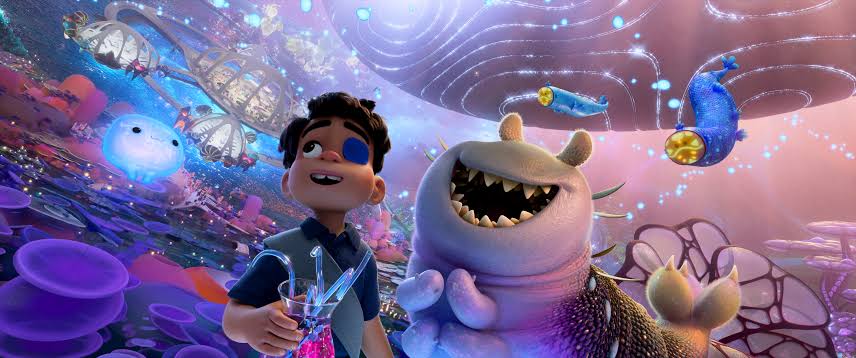
By comparison, in the top 50, there are 5 original US films. 3 produced by a major studio (Sinners, Elio and Weapons) and 2 distributed by A24 (Materialists and Marty Supreme). Three of them being rated above 7 stars. Overall, original films had a much more consistent success rate with audiences.
Plus, of the 5, only Elio underperformed at the box office, showcasing that original films can still bring audiences in without franchise names being needed to give them a boost.
Hollywood Morals
With movies like Sinners, Weapons and Marty Supreme dominating conversations over the past year and proving original films can still be successful financially as well as with both critics and audiences, what will Hollywood learn from the experience? Considering that a lot of coverage around two of these films has been about the possibility of sequels and spinoffs, it seems that Hollywood is still intent on turning everything into a franchise.
Of course, Hollywood currently relies on franchises to make the money it needs to function, and it has often turned original IP into quick franchises, particularly if they’re genre films (horror, comedy, sci-fi action, etc.). Although seldom has it seemed this desperate and all-consuming.
Studios also like to react to successes by trying to capture lightning in a bottle again. Making projects that crib the style and ideas from others and reuse them constantly. Creating projects that could very well be original but are so familiar, they may as well be unofficial remakes or sequels. Just look at how Netflix “original movies” are designed to be similar to others to drive engagement.
Support Originality
Unfortunately, we can never tell what studios will decide after an original film has succeeded, and with so many films vying for our attention, it can sometimes be hard to separate the originals from the fakes. But you can still do things to minimise franchise fatigue and burnout from Hollywood’s unoriginality.
Firstly, look up a film’s director. If the director has a good track record of producing original or distinctive work, then you can at least feel somewhat safe that they will give you a whole movie before turning it into a cash cow. Second, listen to word of mouth. Look at what other people and critics are saying about something to help you know the kind of story you are dealing with. And thirdly, don’t be afraid to be more discerning with your time and money. Just because a film has a franchise name attached or is a sequel to something you liked doesn’t guarantee a good-quality project. Embrace variety and support true originals and the people who make them at the box office. The only way the studios will notice is if audiences tell them they want more originality.