
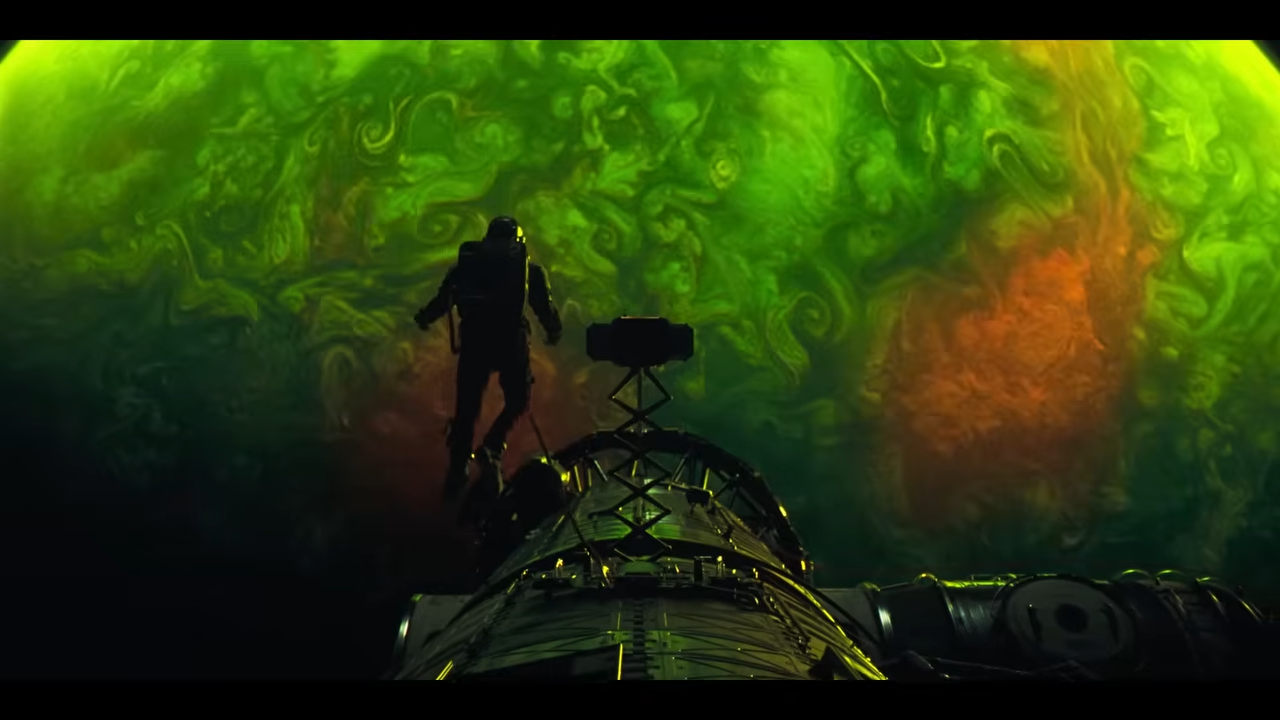
Project Hail Mary is a new blockbuster sci-fi epic starring Ryan Gosling, based on the book of the same name by Andy Weir. Like its authorial sibling, The Martian, it is an ambitious sci-fi film that tries to stay as grounded as possible and makes science as important as any character or plot point.
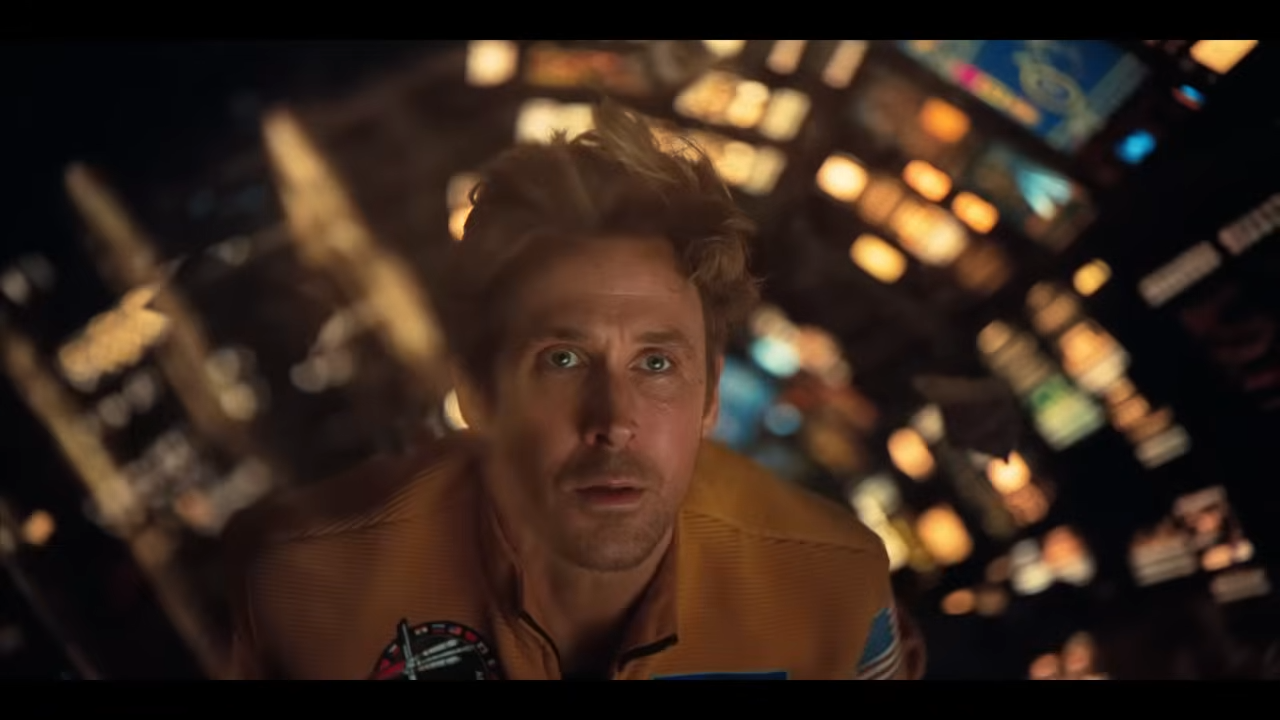
Project Hail Mary starts with Dr Ryland Grace on a spaceship waking up from an induced coma designed to make the journey easier on the astronauts. Originally, Grace cannot remember who he is or what is going on, but soon things start to come back to him. He is part of “Project Hail Mary”, a worldwide effort to save Earth; the Sun is being eaten by a new form of life, and within decades, the resulting cooler temperature will make life on Earth impossible. This mission is a huge roll of the dice, a long-shot doomed to fail – the analogy of a “Hail Mary” pass in American football, something that will almost certainly not work, but what do you have to lose?
The film focuses on Grace on the Hail Mary spaceship as he travels to a distant star to find out why it isn’t being dimmed by these lifeforms, and is interspersed with Grace back on Earth. Starting with him as a middle school science teacher to being recruited to “Project Hail Mary” and the work done to get the project going.
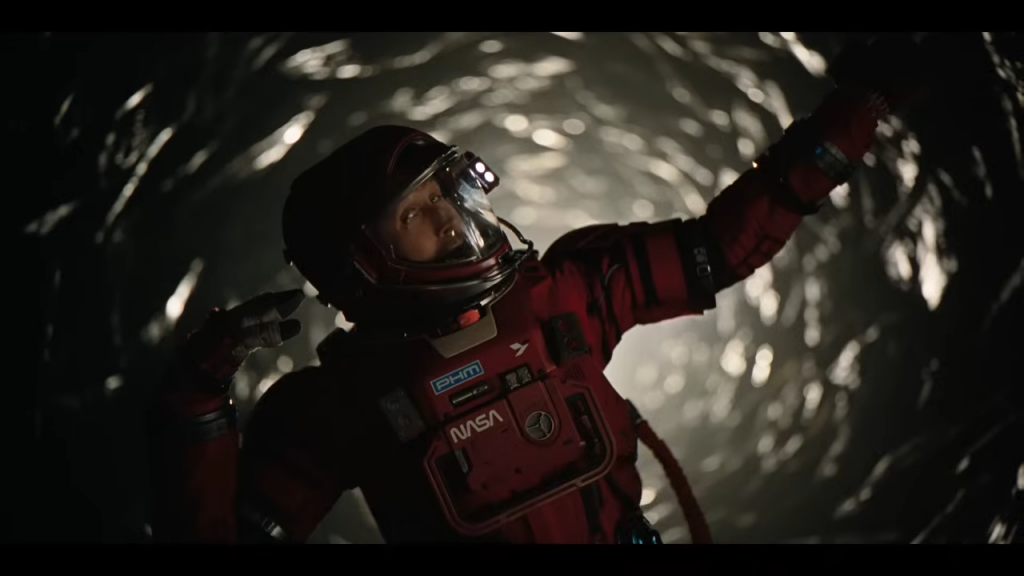
The film is directed by Christopher Miller and Phil Lord, best known for directing The Lego Movie and the Spider-Verse animated films. While they have worked on live-action films before, animation has been their main concern. The film is a spectacle. They mix wonderfully created sets of spaceships with the immense beauty and desolation of open space. The film is full of breathtaking shots of stars, the atmosphere of distant planets, of rotating spaceships and the sky seemingly being on fire.
The trailer of the film was controversial in that it shared information many fans of the book thought should have remained secret, namely, the existence of Rocky. Rocky is an alien lifeform that Grace meets on his mission…who is on a similar mission for his own people. In scenes reminiscent of Arrival, Grace and Rocky spend some time simply trying to communicate with each other, both realising the other is there for the same reason. Rocky is so-called because, to Grace, he looks like a bunch of moving rocks. Most aliens in Star Trek, Star Wars etc are humanoid, similar in form to us; Rocky is not. Credit is due to the directors and Gosling for making us care so much about Rocky; they have a personality that is conveyed to us, and we become invested in their well-being and that of their planet. Rocky is created using puppetry rather than CGI and motion capture, which all involved have credited with a part of the reason people care about Rocky. Gosling is acting with something physical, not something that will be added using CGI later.

Ryan Gosling spends long sections of this film being the only actor on screen, and he easily holds our attention. The scenes on Earth show this rather unlikely saviour – an anxious, uneasy, kind, damaged person, who was severely punished when they tried to excel and so stopped trying to excel. The rest of the cast gets little time on screen; there is a mix of astronauts, scientists, and government figures who we meet and are in the background. The exception to this is Eva Stratt, played by Sandra Huller, the person running Project Hail Mary. She is an almost emotionless, stern, principled person trying to save the world; she has no time for jokes, doubt, procrastination or anything like that. This emotionless exterior is not a lie, but it becomes clear she is doing all this because of how much she cares and just what she is willing to sacrifice.
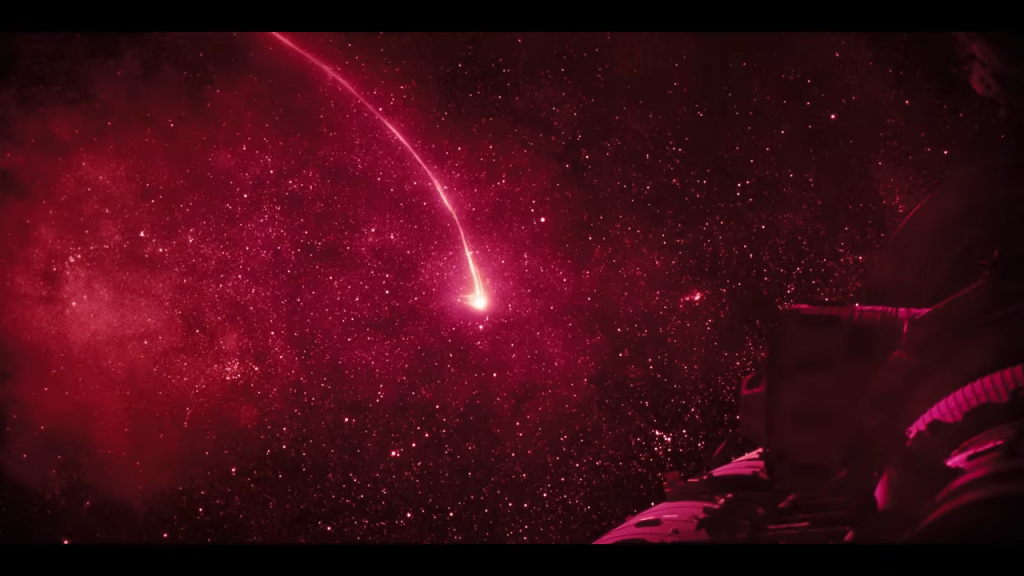
Project Hail Mary is one of those films that fulfils so much of the cinematic experience, a genuine visual spectacle, heart-wrenching, tense, funny, mind-opening and more. It is a film about trying, trying to do the right thing, trying to be better today than you were yesterday, trying to put others first and while we may not always succeed, there will be other opportunities.
 (4 / 5)