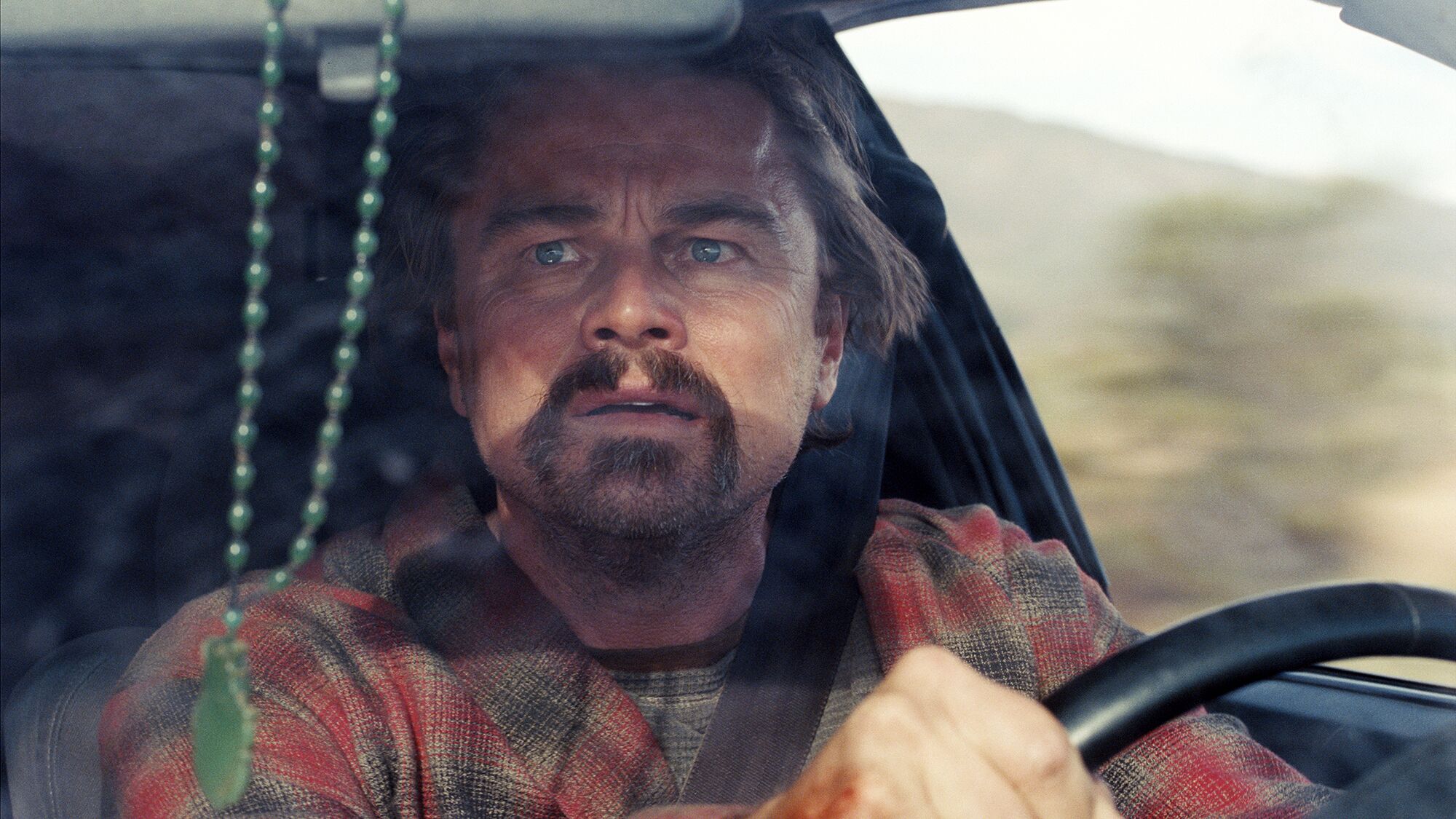
Leonardo DiCaprio stars in this new thriller about a former revolutionary trying to protect his child as villains from their past come to destroy them.
What’s Going On
OBAA is a thriller from Paul Thomas Anderson, who is undoubtedly one of the greatest directors working today. The film starts with the French 75, a revolutionary direct action group in America and in particular, members Bob Ferguson and Perfidia Beverley Hills, husband and wife. The antagonist is Colonel Steven Lockjaw, who takes the lead in bringing the group down with extreme methods. The film then cuts to 15 years later, when Bob is simply trying to raise his daughter, Willa, in peace and safety, but Lockjaw is once again seeking them out.
Behind The Scenes
The film is directed and written by Paul Thomas Anderson, whose previous films include There Will Be Blood, The Master, Punch-Drunk Love and more, and some are calling this film the best of this already great career. Anderson’s films cover a range of genres, with this being one of the more straightforward, at least on the surface. The film is based on the book of the same name by Thomas Pynchon. Anderson has already adapted one of his works, Inherent Vice, a very different sort of film.
In Front of the Camera
It is a big cast, but Leonardo DiCaprio does probably have the most screentime, and it is essentially his character’s story that we follow. He plays Pat/Ghetto Pat/Rocketman/Bob Ferguson, Bob being the last identity he adopts, and for clarity’s sake, he shall be referred to as Bob Ferguson.
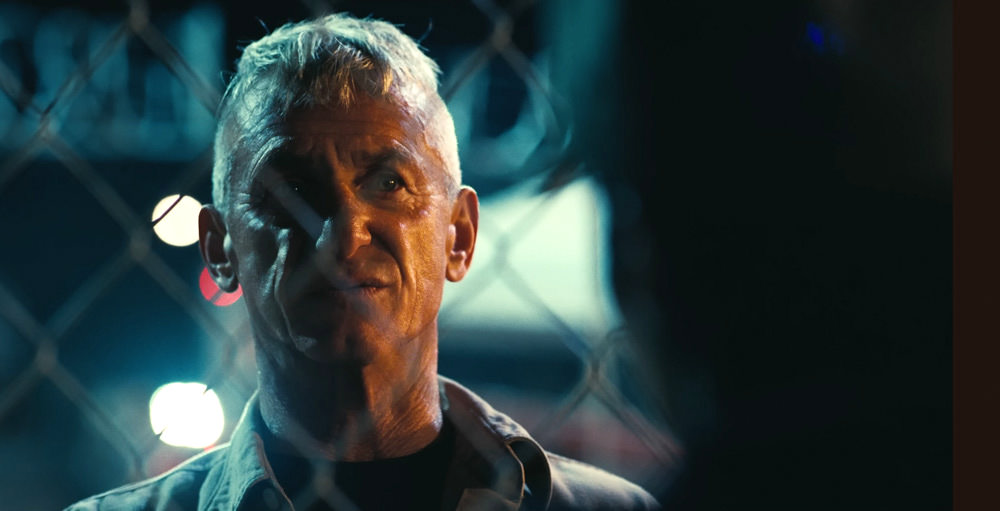
Perfidia Beverly Hills is played by Teyana Taylor and is very convincing as the committed revolutionary who wants to overturn practically every element of society. Like many in the group, she has an assumed revolutionary name – Perfidia Beverly Hills. Taylor is probably better known for her work in music as a singer, songwriter, choreographer and more.
Sean Penn plays Colonel Steven J. Lockjaw and gives one of the best performances of his career as one of the most unpleasant characters seen in film in a long time. Penn is a two-time Oscar winner and known for his roles in Milk, Mystic River and Carlito’s Way.
One Battle After Another is brilliant and ranks amongst Anderson’s best films. It is an incredibly complex representation of the struggle the revolutionaries are fighting and the authorities they are fighting, but also family bonds, communities in crisis, betrayal and obsession.
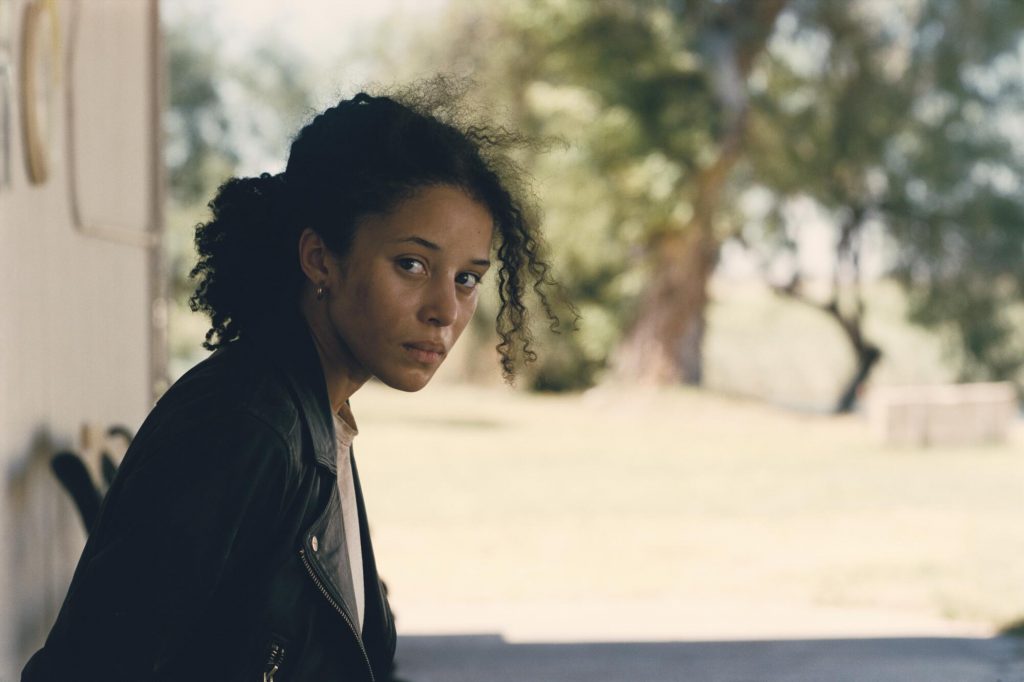
The audience sees the story from the point of view of Bob in the French 75, but they are not the “good guys”; the first revolutionary act we see is them briefly taking over a detention camp for undocumented migrants and liberating it. This is not represented as clever rogues getting one over on the authorities – the oft-employed Hollywood trick of the good guys having guns but not having them loaded is definitely not used here – but a genuine attack. Certainly, the French 75 seems like they do not want to actually kill people, but doing what they do, someone is going to get hurt, and indeed, someone does. The forces of law and order, such as they are, as exemplified by Lockjaw, are horrendous. It is true that the higher authorities may not be aware exactly what Lockjaw is doing and certainly not why, but the fact that that is possible is damning. It is never made completely clear exactly what Lockjaw’s position is – sometimes appearing to be a military officer, in which case, why is he deployed on US soil? Sometimes he seems more like some aspect of law enforcement, in which case, why does he act like an invading army? This ambiguity could be for several reasons: the difficulty of quickly explaining this, the fact that the distinction in the use of military and law enforcement in America is blurring, or that it is blurred to give the audience the impression that Lockjaw had effectively limitless power with no accountability. The only pushback to Lockjaw is from forces outside the authorities. It could even be thought that those above Lockjaw knowingly turn a blind eye, as spending ten minutes in his company would seemingly highlight the fact that he should not ever be given any power. He plays a supremely sinister villain, who keeps adding new layers to villainy, abuses of power, just plain abuse, and violence of every kind. He has an unrelenting nature, which is sometimes more akin to a villain in a slasher film. Yet he is simultaneously a ridiculous figure, riddled with insecurity and self-loathing, but that takes nothing away from how dangerous he is.
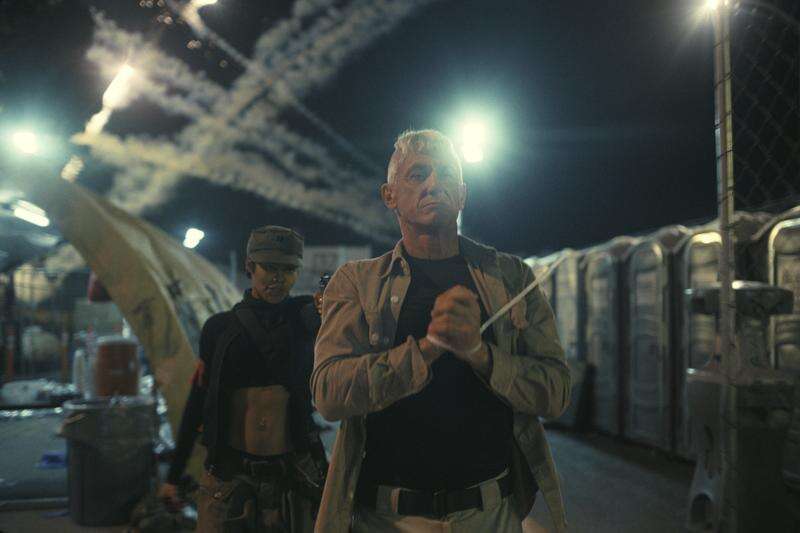
DiCaprio’s change from wild rebel to burned-out father is very well done, with his focus for action moving entirely to his daughter. DiCaprio’s best moments are when he is separated from his daughter and trying desperately to find her and help her, particularly the series of conversations he has with revolutionary agents, finding out where his daughter might be, but he can’t remember the long and convoluted password system.
Paul Thomas Anderson is not typically known for action scenes, but towards the end of the film comes an incredibly tense and thrilling set piece on deserted American roads that wind and undulate, hiding characters from each other and then coming into view spectacularly quickly. The extended sequence of what feels very much like an ICE raid on a city is non-stop tension for what feels like six hours.
OBAO is definitely one of the best films of the year and feels incredibly timely, as heart-wrenching as it is thrilling and packed with so much going on that lots of details weren’t able to be included in this review.
 (4.5 / 5)